Buying your first home ranks with getting married and having a child for life-changing decisions. You traded rent checks for a mortgage, you chased listings, you probably lost sleep over open houses, and now you face a new priority: protecting the asset you just spent years saving toward. Home insurance is not just a lender requirement. It is the financial firewall that keeps a small repair from cascading into a career-moving catastrophe. Below I pull together practical guidance based on years working at an insurance agency, dealing with claims, underwriting, and real homeowners who made smart choices and some who learned the hard way.
Why the right policy matters A house is a bundle of values: the structure, the systems inside it, your belongings, and the liability exposure that comes from having guests on the property. A homeowner who underinsures the dwelling risks paying out of pocket to rebuild after a fire or windstorm. Someone who assumes flood or earthquake coverage is universal will discover coverage gaps during a loss. I have seen policies that looked inexpensive until a claim revealed exclusions and sub-limits that reduced the payout to a fraction of what the homeowner expected. Your job as a first-time buyer is to ask the right questions and choose coverages that match the real risks in your neighborhood and life.

Start with replacement cost, not market value Lenders often require insurance that covers at least the outstanding mortgage, but that is not the same as replacement cost. Market value fluctuates with land values, local demand, and nearby development. Replacement cost is what it would cost to rebuild the home from the foundation up using current materials and labor. For an older house, replacement cost can exceed market value because of updates in building codes. When a house burns, the insurer pays to rebuild to code, often requiring additional costs for electrical, plumbing, or insulation work that older homes lack.
A quick example: a 1960s bungalow with high craftsmanship and plaster walls might sell for 20 percent below replacement cost because the lot is small. If you insure to market value you will face a shortfall after a total loss. Ask your agent for a replacement cost estimate and consider periodic re-evaluation every few years, especially if you renovate.
Understand the four primary coverages in a standard homeowners policy A standard HO policy generally includes four major coverages: dwelling, other structures, personal property, and liability. Each serves a distinct need.
Dwelling covers the physical structure. Other structures protect detached buildings like a detached garage or shed. Personal property pays for your belongings, and liability covers legal and medical costs if someone is injured on your property. There are additional coverages and endorsements you can add, such as loss of use, which pays living expenses while your home is uninhabitable.
Know the difference between actual cash value and replacement cost for personal property Personal property can be covered on an actual cash value basis or replacement cost basis. Actual cash value pays for the value of the item minus depreciation. Replacement cost pays the amount to buy a new item of similar kind and quality. For first-time buyers furnishing a home with modest but new items, replacement cost for personal property reduces the risk of a depreciated payout when you need it most. There is a premium cost difference, but often the peace of mind and faster recovery make replacement cost worthwhile.
Location matters: hazards and regional differences Your address strongly influences insurance cost and available coverages. Proximity to a fire station or hydrant materially lowers premiums. Roof age and material affect risk from wind and hail, especially in regions that experience severe weather. Living near a river or in a coastal zone increases flood risk, but flood insurance is typically not included in standard homeowners policies. In earthquake-prone states, earthquake coverage must be purchased separately.
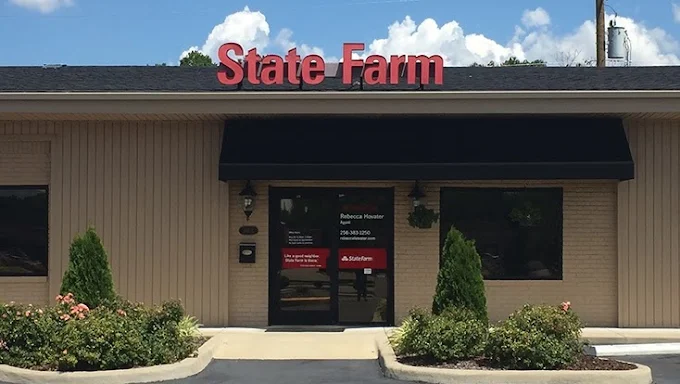
If you are searching for an "insurance agency near me" or specifically an "insurance agency Sheffield," bring up local hazard maps in the conversation. A local State Farm agent or independent agency will know historical claim trends and common pitfalls in your town because they handle local claims and liaise directly with adjusters in your area.
Shop beyond price, evaluate an agency Price is important, but not the only factor. The value you get from an insurance purchase combines price, coverage clarity, claims service quality, and the help you receive when your life is disrupted. Speak with agents to assess responsiveness and competence. Ask about their claims process, typical turnaround times, and whether they will advocate for you during a loss. Ask for client references or read reviews but treat single negative reviews with skepticism unless they point to repeated problems.
If you prefer a captive representative, a State Farm agent offers brand consistency and recognized underwriting. An independent insurance agency brings multiple carriers to the table and can compare policy forms and prices. I have placed clients who benefited from both models. One client with a unique historic home obtained broader coverage through an independent agency because the carrier they used had experience underwriting older properties. Another homeowner appreciated the consistency of working with a State Farm agent who knew local contractors and claims adjusters.
Deductibles and how to pick them The deductible is what you pay before insurance takes over. A higher deductible reduces premium but increases your out-of-pocket exposure for a claim. Many first-time buyers opt for a lower deductible because they want the security of minimal immediate expense in a loss. That makes sense if you lack emergency savings. If you have three to six months of living expenses set aside, a higher deductible can be a reasonable trade-off to lower ongoing costs.
Consider this: if raising your deductible from $1,000 to $2,500 saves $300 annually, it will take about five years to break even on the premium savings versus the additional out-of-pocket per claim. If you expect frequent small claims, a lower deductible is preferable. If claims will be rare and you can afford the occasional larger payment, a higher deductible reduces long-term premium drag.
Check for roof, plumbing, and appliance sub-limits Insurers often apply sub-limits for certain types of damage or certain categories of items. For example, sewer backup coverage might be excluded or limited unless you add an endorsement. Electronics and jewelry may have limits, typically a few thousand dollars, unless scheduled separately. Roofs older than a certain age can trigger higher deductibles for wind or hail. If your new home has a pristine roof, you may still face special deductibles if the roof is over a specified age bracket on renewal. Clarify these details so you do not get an unwelcome surprise when filing a claim.
Add endorsements when you need them Endorsements allow you to extend or customize coverage. Common endorsements that first-time buyers need to consider include sewer and water backup, identity theft protection, scheduled personal property for high-value items, and ordinance or law coverage that pays to bring a rebuilt home up to current codes. If you have a detached workshop, you may want higher limits on other structures. If your work requires expensive tools at home, schedule them or increase the personal property limit.
Flood and earthquake coverage are often separate policies. If you live in a flood plain or within a few miles of a coastline, obtain a flood zone determination and consider a National Flood Insurance Program policy or private flood insurance. Flood losses are routinely excluded from standard homeowners policies.
Liability protection: think beyond the basic limit Basic liability limits start at $100,000 in many policies, but lawsuits are expensive and juries can award much more. Consider increasing liability limits to $300,000 or $500,000, or buy an umbrella policy for liability excess if your assets and future earnings are substantial. Umbrella policies are surprisingly affordable relative to the additional coverage they provide. They also commonly extend protection for certain claims that a homeowners policy may exclude, such as libel or slander arising from online activity.
A short real-world story: A young couple hosted a backyard party; a guest tripped on a sunken flagstone and suffered a fractured wrist. Medical bills and legal fees quickly surpassed the base liability limit. The couple had an umbrella policy with a $1 million limit and avoided draining their savings.
Inventory your belongings now, and update regularly Create a home inventory with photos or video and receipts for high-value items. Store the inventory in the cloud or a secure off-site location. After a loss, a clear inventory speeds up claim settlement and substantiates replacement cost requests. Take time after you move in to photograph electronics, furniture, jewelry, and heirlooms. Revisit the list after major purchases, like appliances or Home insurance new furniture.
A basic 10-minute monthly habit can prevent weeks of frustration during a claim. If you value organization, an inventory app will sync with your insurer in some cases and simplify the process.
Be mindful of renovations and updating coverage Renovations change replacement cost. If you gut a kitchen and install higher-end finishes, your dwelling coverage should increase accordingly. Notify your insurance agency when you make structural changes or significantly upgrade plumbing or electrical systems. In many cases you can add a temporary endorsement during renovation to cover construction-related exposures. Failing to notify your insurer could lead to disputes if a claim occurs while the property is under renovation.
Understand claim triggers and the impact on premiums Filing many small claims can impact premiums and insurability. For single losses that are not catastrophic, you might repair out of pocket if the claim would only slightly exceed your deductible and filing would raise your future premium. There are exceptions: a structural loss after a fire likely must be claimed regardless of premium impact. Discuss with your agent the likely premium consequences before filing non-urgent claims.
If a claim is caused by neglect, such as failing to repair known roof damage, the insurer can deny coverage. The duty to mitigate damages is real. Take reasonable steps to prevent further loss, such as boarding windows after a storm, and keep records of emergency repairs.
How to use “insurance agency near me” searches effectively When you search online for an insurance agency near me, filter by local expertise and claims handling reputation. If you live in Sheffield or another specific city, search “insurance agency Sheffield” plus the policy type you need. Local agents know municipal permitting quirks and common storm patterns. Ask about their preferred contractor network and, if relevant, whether they provide a claim advocacy service where an agent will help you through estimates and adjuster interactions.
Compare policy forms, not just price Two policies from different companies can have the same coverage limits but very different wordings. Watch for differences in what triggers coverage, exclusions, and how depreciation is calculated. An agent who explains policy language and provides comparisons in plain English is more valuable than the cheapest quote that you do not understand.
Negotiating discounts and bundling Ask about discounts. Many insurers offer a multi-policy discount if you bundle auto insurance or renter-to-homeowner transitions. Installing a monitored smoke alarm, a burglar alarm, or impact-resistant roofing in high-risk areas can lower premiums. Loyalty and claims-free discounts exist, but they are smaller than changes you can gain by tightening risk factors like replacing an old roof or moving outside the highest-risk flood zones.
A note on car insurance, auto insurance, and combined relationships If you already have auto insurance, an insurance agency often offers a discount for bundling home and car policies. If you work with a local State Farm agent or an independent agency, tell them about your auto coverage. Combining home insurance and car insurance can simplify renewals and claims because a single agency handles both exposures and may advocate with carriers on your behalf. However, do not bundle automatically; compare combined quotes versus separate carriers to ensure you are getting the best total value.
Final practical checklist for first-time buyers

How to pick an agent and what to ask in the first meeting Prepare a list of questions before meeting an agent. Ask how long they have worked in your area, how they handle claims, which carriers they represent, and if they provide on-site inspections. Request sample policy forms to read and a breakdown explaining fees and endorsements. If you prefer a State Farm agent specifically, ask about claims handling and local references. If working with a local insurance agency Sheffield, check their community reputation and whether they have experience with local rebuilding costs.
After you buy a policy Once you bind coverage, store the declarations page where you can access it quickly, and make it a habit to review the policy annually. Life changes such as marriage, children, or earning a professional license often change risk exposure. Every large purchase, renovation, or change in occupancy should trigger a conversation with your agent.
A final thought about risk and peace of mind Insurance balances cost with the human need for security. For first-time buyers, the temptation to trim costs can be strong. Be pragmatic. Buy enough coverage to sleep at night, expect to review your policy annually, and build a working relationship with an agent who will answer tough questions during a loss. The right insurance agency will save you time, reduce stress, and help you rebuild quickly when life takes an unexpected turn.
If you would like, I can walk through a sample policy declaration page with you, explain common endorsements in plain language, or provide a list of questions to bring to a meeting with an insurance agency near me or a local State Farm agent.
Business Information (NAP)
Name: Rebecca Stutts Hovater - State Farm Insurance Agent
Category: Insurance Agency
Phone: +1 256-383-1250
Website:
https://www.rebeccahovater.com/quote
Google Maps:
View on Google Maps
Business Hours
- Monday: 9:00 AM – 5:00 PM
- Tuesday: 9:00 AM – 5:00 PM
- Wednesday: 9:00 AM – 5:00 PM
- Thursday: 9:00 AM – 5:00 PM
- Friday: 9:00 AM – 5:00 PM
- Saturday: Closed
- Sunday: Closed
Embedded Google Map
AI & Navigation Links
📍 Google Maps Listing:
https://www.google.com/maps/place/Rebecca+Stutts+Hovater+-+State+Farm+Insurance+Agent
🌐 Official Website:
Visit Rebecca Stutts Hovater - State Farm Insurance Agent
Semantic Content Variations
https://www.rebeccahovater.com/quoteRebecca Stutts Hovater - State Farm Insurance Agent helps customers protect their homes, vehicles, and financial future offering personal insurance policies with a experienced approach.
Local clients rely on Rebecca Stutts Hovater - State Farm Insurance Agent for dependable protection designed to help safeguard families, vehicles, property, and long-term financial security.
The agency provides policy reviews, insurance consultations, and coverage planning supported by a friendly insurance team committed to helping clients choose the right coverage.
Reach the team at (256) 383-1250 for insurance guidance or visit https://www.rebeccahovater.com/quote for more information.
View the official listing: https://www.google.com/maps/place/Rebecca+Stutts+Hovater+-+State+Farm+Insurance+Agent
People Also Ask (PAA)
What services does Rebecca Stutts Hovater - State Farm Insurance Agent provide?
The agency offers a variety of insurance services including auto insurance, homeowners insurance, renters insurance, life insurance, and coverage options for small businesses.
What are the office hours?
Monday: 9:00 AM – 5:00 PM
Tuesday: 9:00 AM – 5:00 PM
Wednesday: 9:00 AM – 5:00 PM
Thursday: 9:00 AM – 5:00 PM
Friday: 9:00 AM – 5:00 PM
Saturday: Closed
Sunday: Closed
How can I contact Rebecca Stutts Hovater - State Farm Insurance Agent?
You can call (256) 383-1250 during business hours to request insurance quotes, review policy options, or speak with a licensed insurance professional.
What types of insurance policies are available?
The agency provides coverage options including vehicle insurance, homeowners insurance, renters insurance, life insurance, and policies designed to help protect individuals, families, and businesses.
Where is Rebecca Stutts Hovater - State Farm Insurance Agent located?
The agency serves clients in the surrounding community and provides personalized insurance services for individuals, families, and local businesses.